

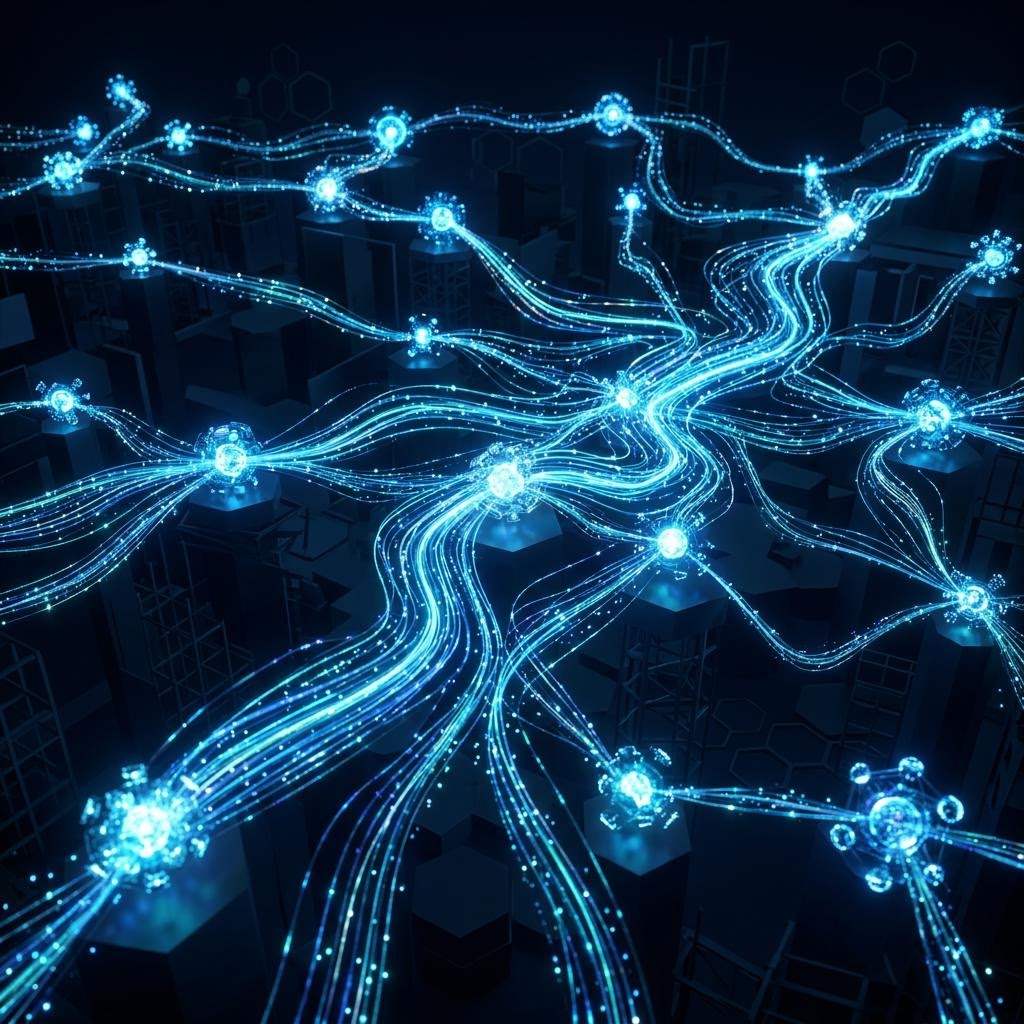
Reacting Instead of Requesting
In request-driven systems, services call each other directly and wait for responses, creating tight coupling and cascading failures. Event-driven architecture flips this: services emit events about what happened, and other services react on their own schedule.
This decoupling lets teams build, deploy, and scale services independently - the foundation of resilient, evolvable systems.
The Backbone: Streams and Brokers
Durable event streams and message brokers like Kafka form the nervous system of an event-driven platform. They buffer load, guarantee delivery, and let new consumers subscribe to existing event streams without touching the producers.
Patterns like event sourcing and CQRS build on this to create systems with complete audit trails and independently optimized read and write paths.
Designing for the Hard Parts
Distributed systems introduce real challenges: ordering, idempotency, and eventual consistency must be designed for deliberately. Well-defined event schemas and clear ownership keep the system understandable as it grows.
Handled with discipline, event-driven architecture absorbs traffic spikes and lets a platform grow for years without a rewrite.